
Bed, Bench, or Sofa? How to Choose the Right Piece for Your Space
Compare benches, sofas, and other seating options for bedrooms and living spaces, including what works best at the end of a bed. Explore differences in size, comfort, upholstery, function, and style to help choose the right piece for your room.
STYLE & FUNCTION
Solo Home Decor
10/3/202612 min read
Bench vs. Sofa: What Fits Your Space Best?
Choosing between a bench and a sofa starts with how much space you have and how you want to use it. A bench can add seating without taking up much room, while a sofa offers deeper comfort for lounging and everyday use.
In a bedroom, a bench or compact sofa can also work at the end of the bed, depending on the available space, proportions, and function you need. Throughout this guide, we’ll compare these options and show how custom sizing, upholstery, and design can help each piece fit the room more naturally.


What to Consider Before You Decide


Where a Bench or Sofa Works Best in Your Home
Entryway
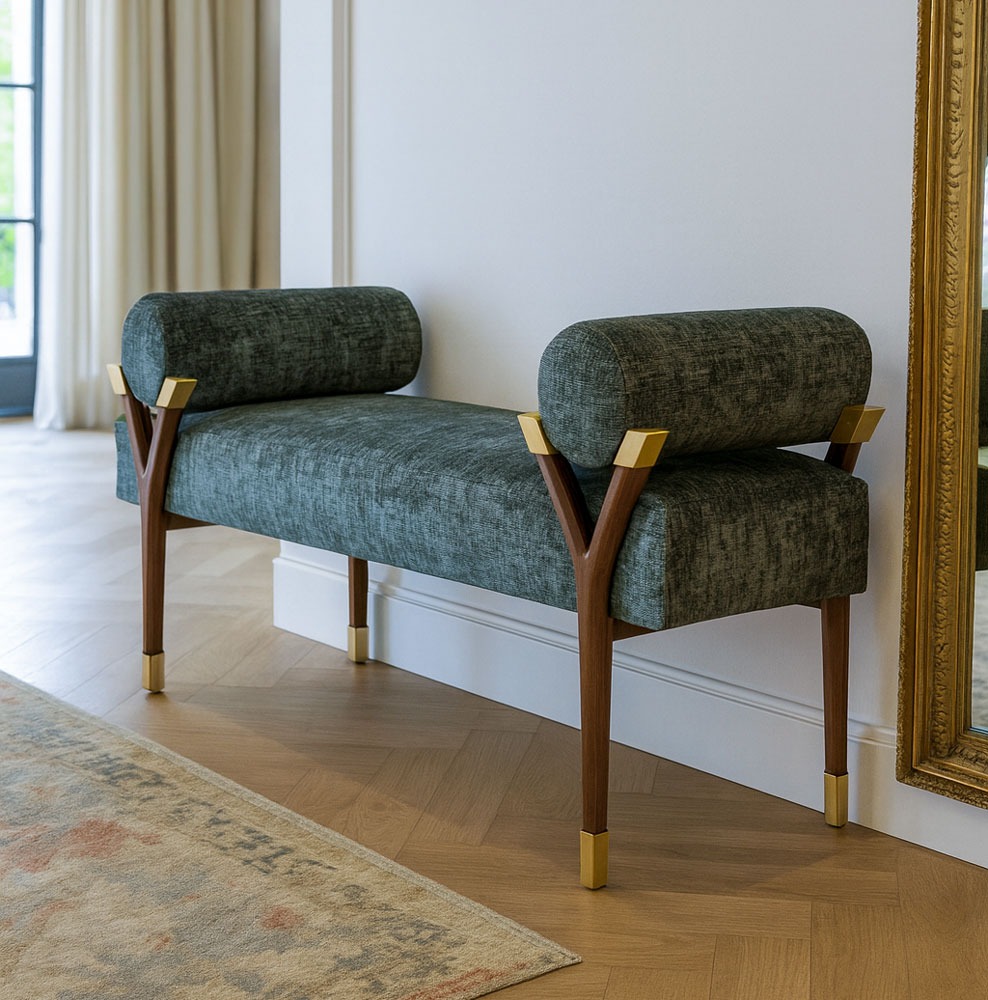
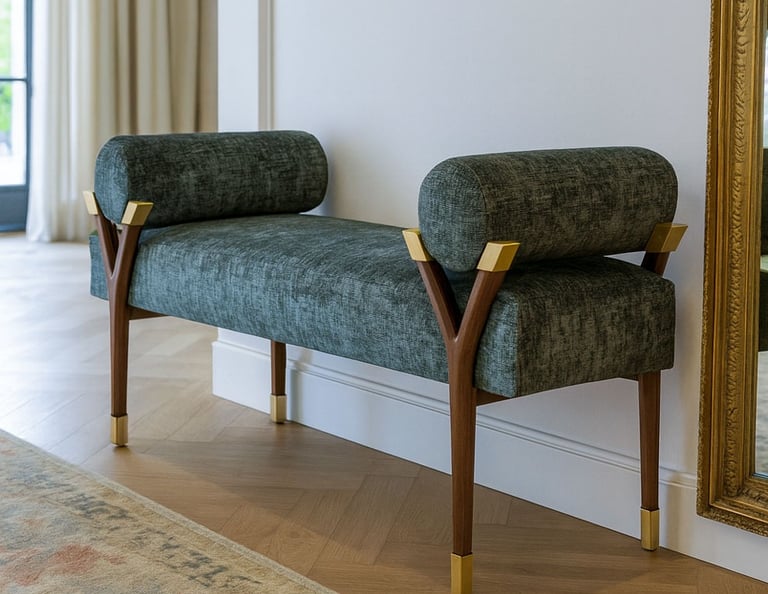
A slim upholstered bench or storage bench adds comfort, function, and a polished welcome to the entryway.
Bedroom
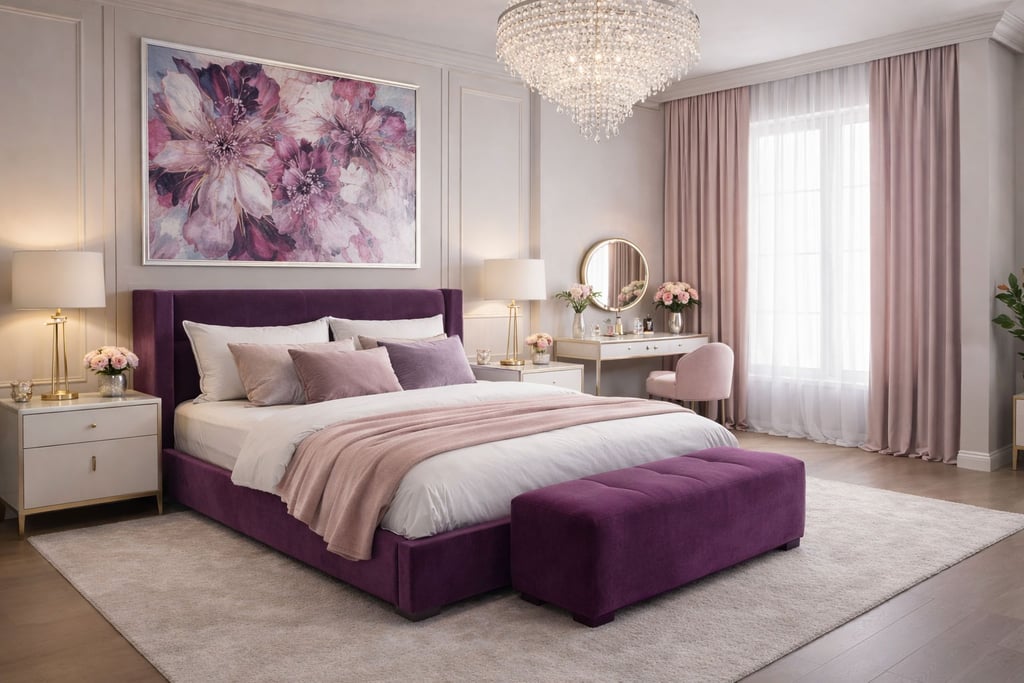
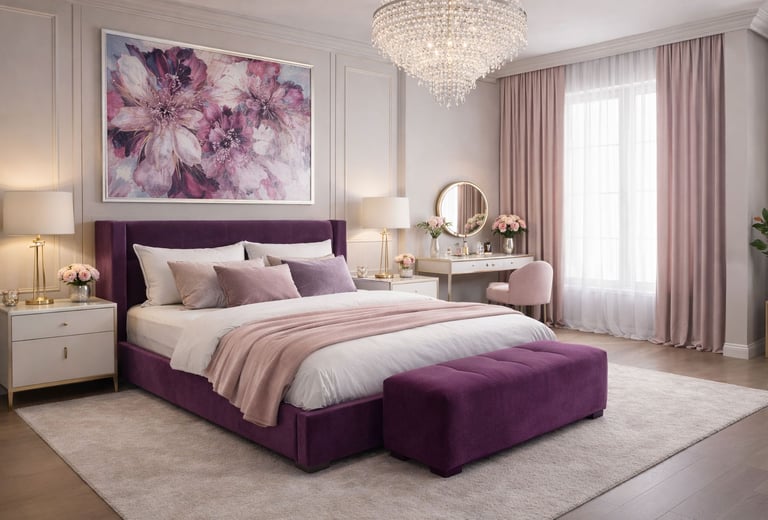
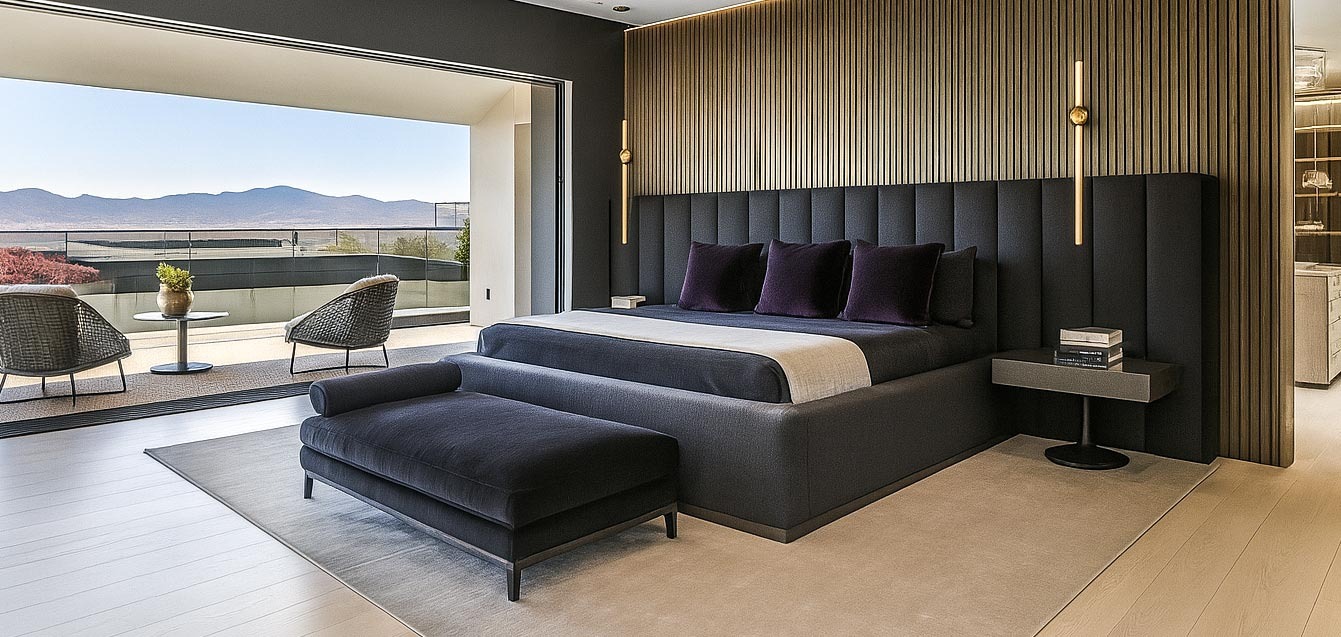
Pair a custom upholstered bed frame with a bedroom bench at the foot of the bed to balance the layout and create a polished, functional look.
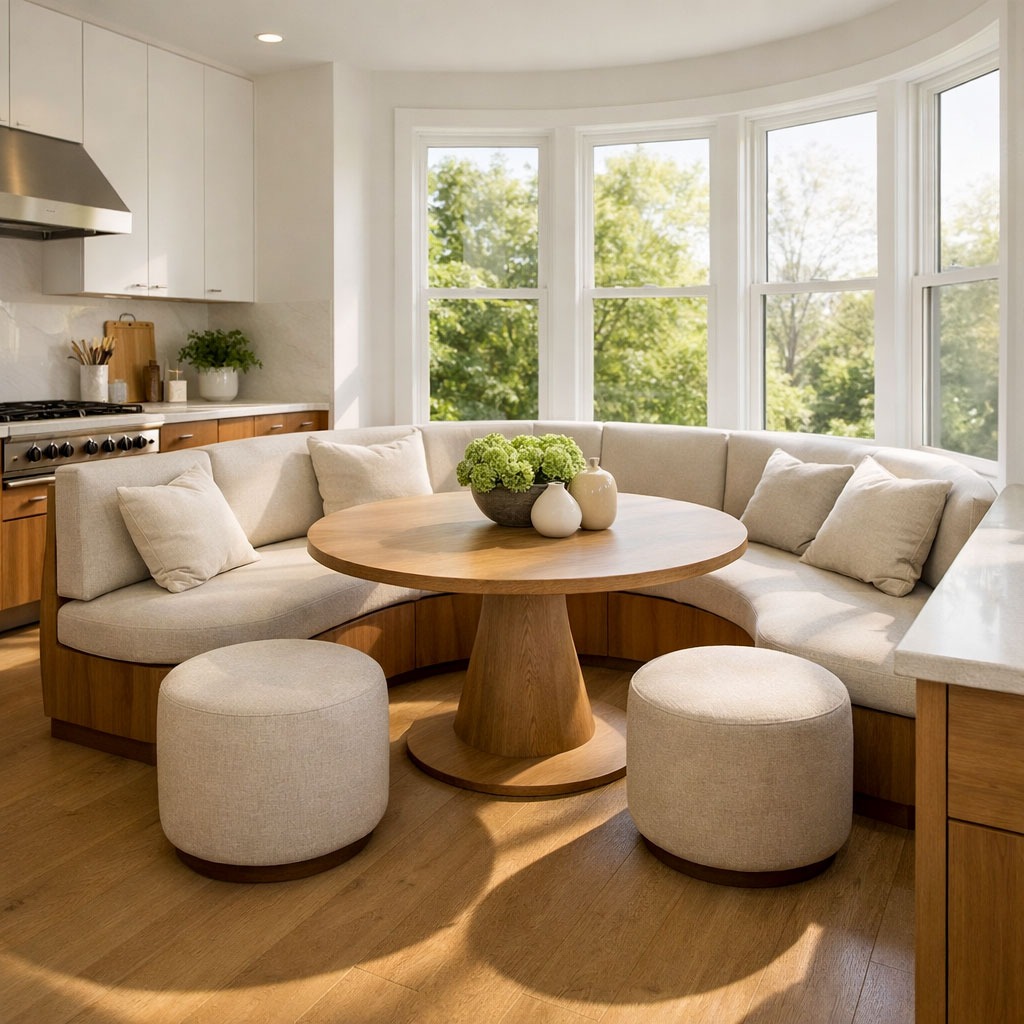
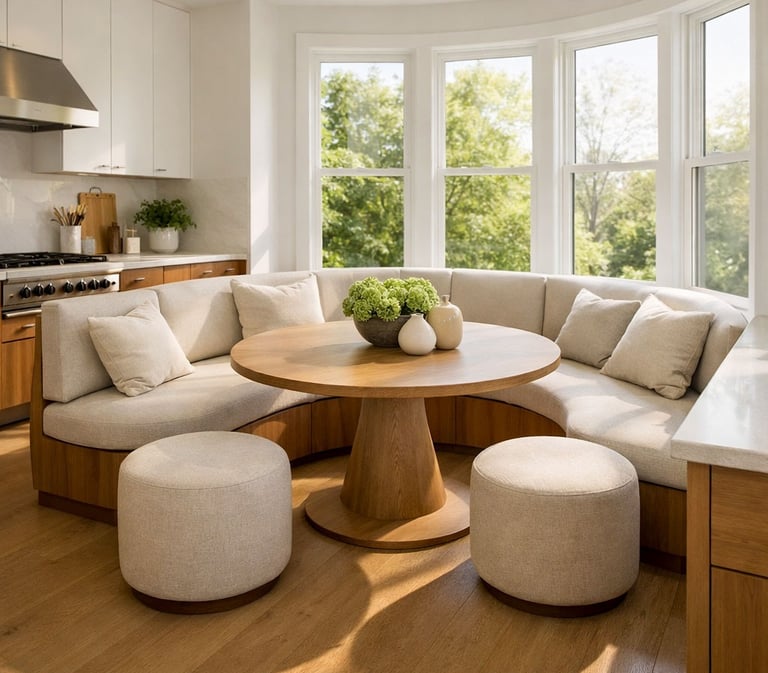
Banquette Seating
A custom banquette adds comfort, style, and space-saving seating to dining areas, breakfast nooks, and open-concept spaces.
Living Room
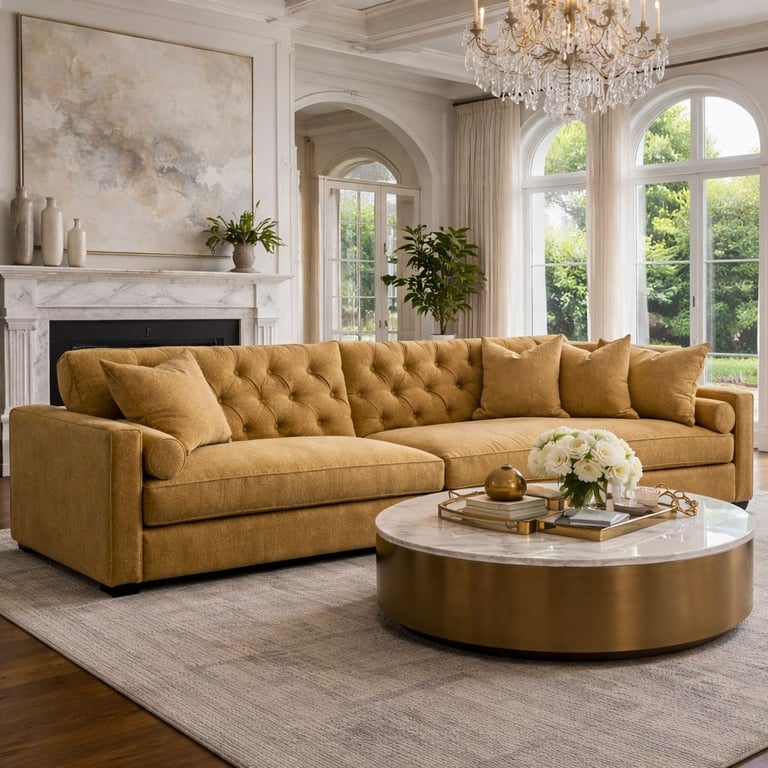
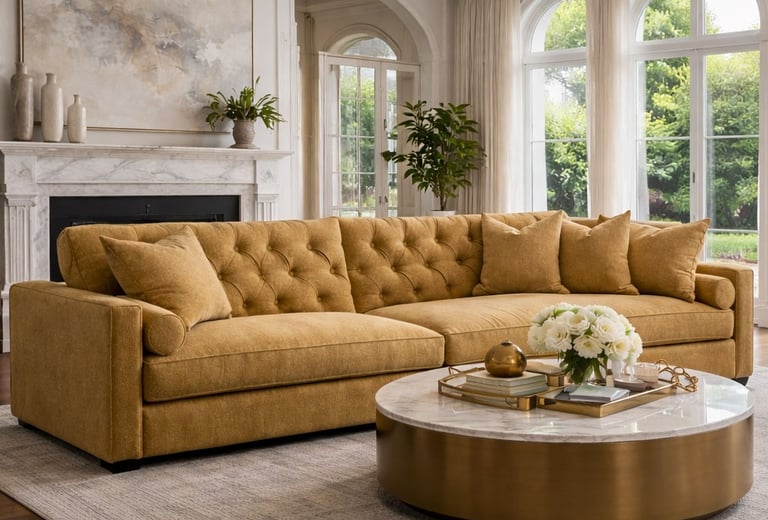
A custom sofa adds comfort, structure, and style to the living room, creating a focal point that fits the way you relax and gather.
Open Plan Spaces
A custom modular sectional helps define different areas in an open space while adding comfort, flow, and flexibility.

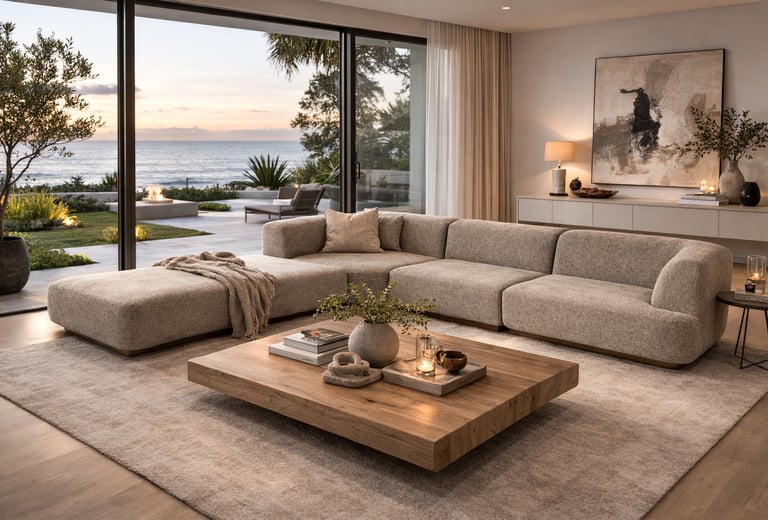
For dividing an open space without building walls, a custom L-shaped sectional or sofa is a smart and stylish solution. These pieces help define your layout while adding comfort and flow. Explore Solo Home Decor to create a room that fits your style, your dimensions, and your everyday needs.
Designer Tips on Style, Size & Scale
Upholstery & Visual Weight
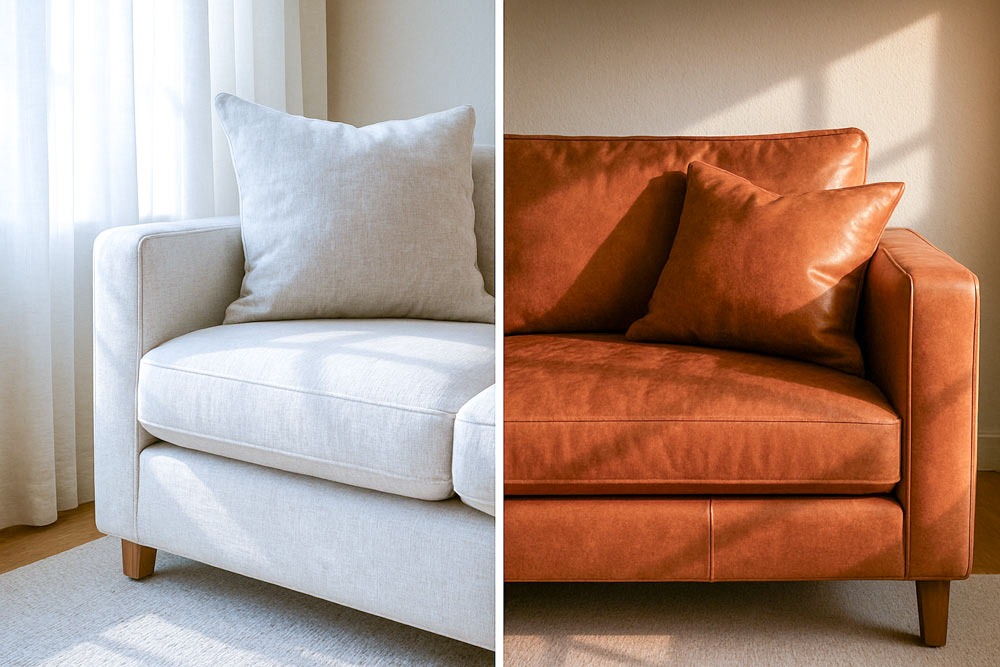
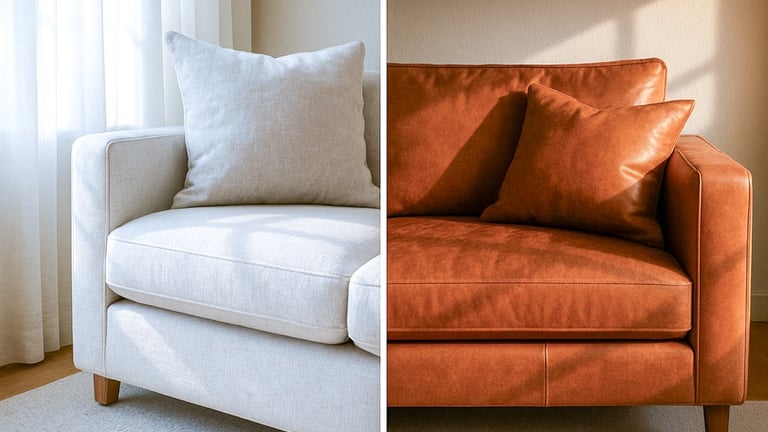
Fabric and color can change how large a piece feels in the room. Light or softly textured upholstery can make a bench or sofa feel less visually heavy, while darker colors, leather, and heavier fabrics can give the piece more presence and structure.
Size & Scale
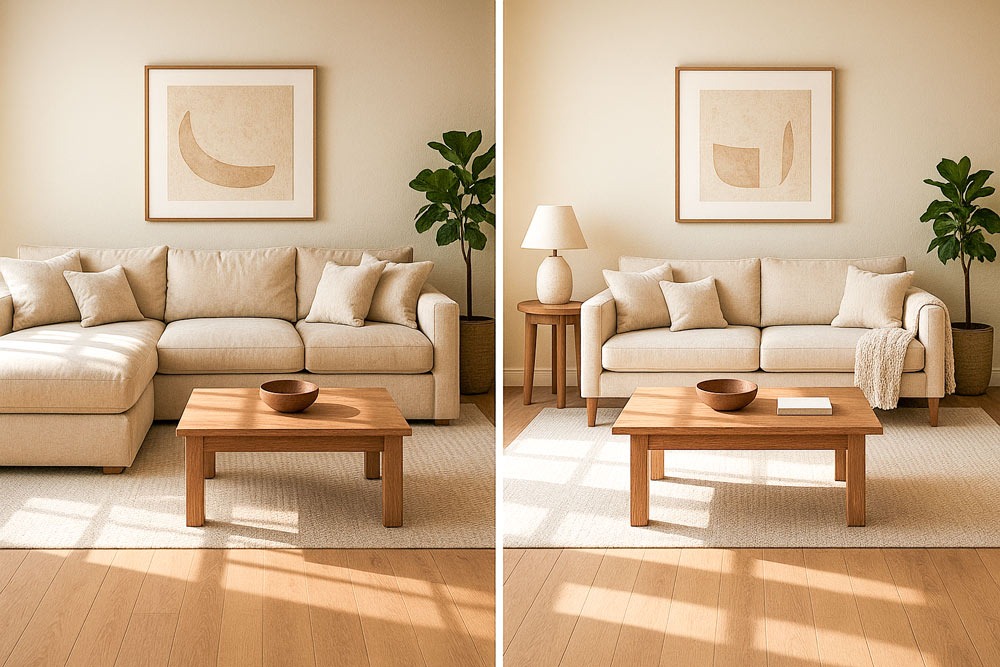
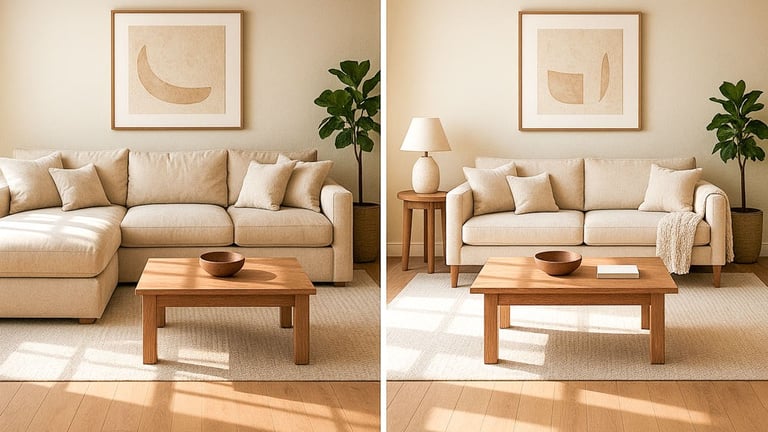
Start with the proportions of the room and the available floor space. A bench usually has a lighter footprint and works well where you want useful seating without visually filling the room. A sofa needs more depth and surrounding space, but provides greater comfort for longer periods of sitting or lounging.
Shape, Legs & Arms
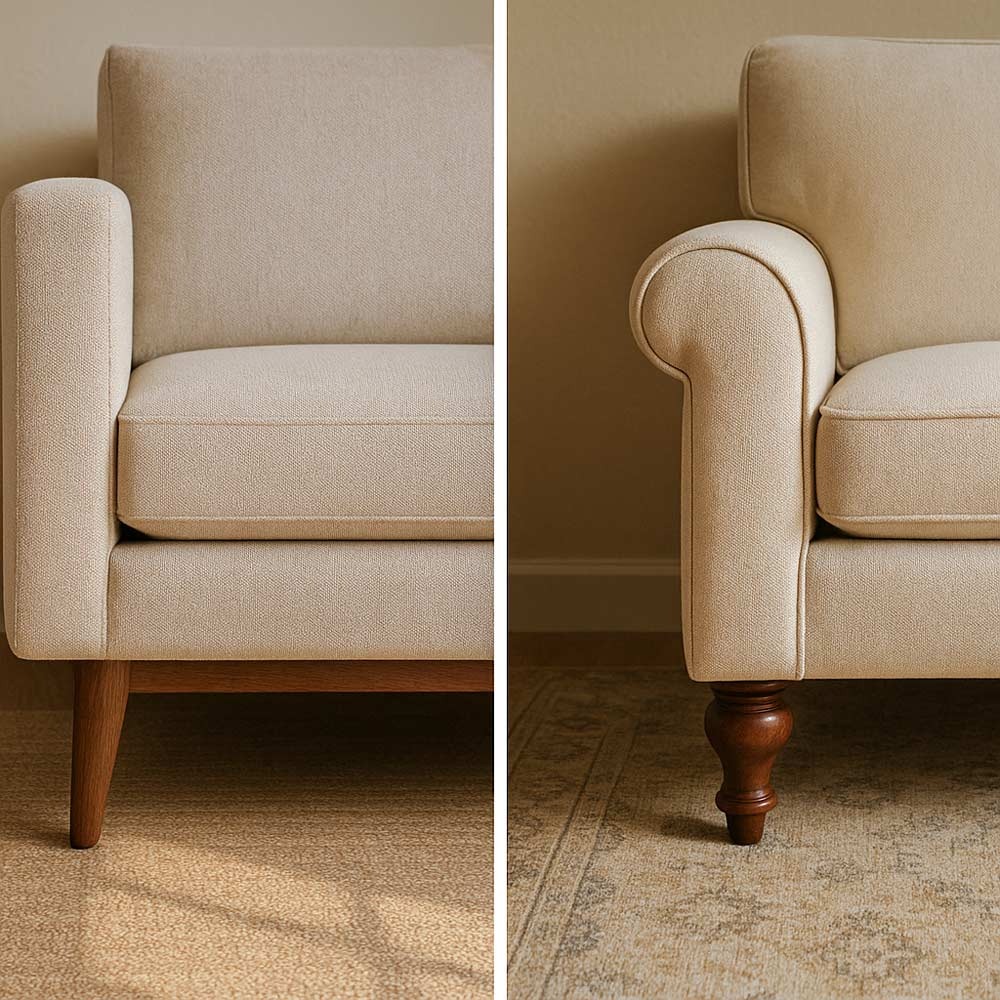
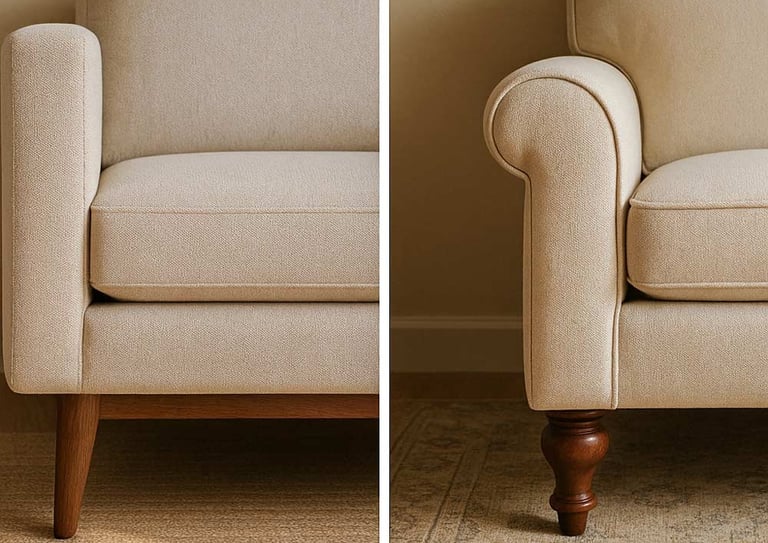
Open legs and slimmer arms can make seating feel lighter and more spacious, while upholstered bases, deeper seats, and fuller arms create a more substantial look. When choosing between a bench and sofa, consider not only the measurements but how much visual space you want the piece to occupy.
A sofa-style piece at the end of a bed may be called a bedroom bench, bedroom sofa, loveseat, or settee, depending on its size, shape, and how it is designed to be used.
A bedroom bench usually has a shallower profile and works well when you want extra seating, a place to get dressed, or a finished look without taking up too much floor space. A small sofa, loveseat, or settee provides deeper seating and can feel more substantial when the bedroom has enough room.
The right choice depends on the width of the bed, available walking space, and how you plan to use the seating. Custom sizing can help the piece feel proportional to the bed and intentional within the room rather than too small or oversized.


Design a Bedroom That Feels Like a Sanctuary
Thoughtful furniture choices can make a bedroom feel more complete, comfortable, and personal. An upholstered bench, loveseat, or small sofa at the end of the bed can add useful seating while helping the room feel visually balanced.
The right piece should complement the scale of the bed without crowding the walking space. Upholstery, color, shape, and proportion can then be coordinated with the bed and surrounding room so the seating feels intentional rather than added as an afterthought.
For a custom bedroom, the goal is to create a space where the bed and seating work together in comfort, proportion, and style.

Explore Custom Bedroom Furniture
If you are considering a bench, loveseat, or other upholstered seating for your bedroom, Solo Home Decor can create pieces sized and designed around your room, comfort, and preferred style.
Custom options can coordinate with an upholstered bed frame, wall panel bed, or existing bedroom furniture so the seating feels intentional within the space.
Explore Solo Home Decor’s Custom Bedrooms to see more bedroom furniture and wall panel designs.
What Is the Sofa at the End of a Bed Called?
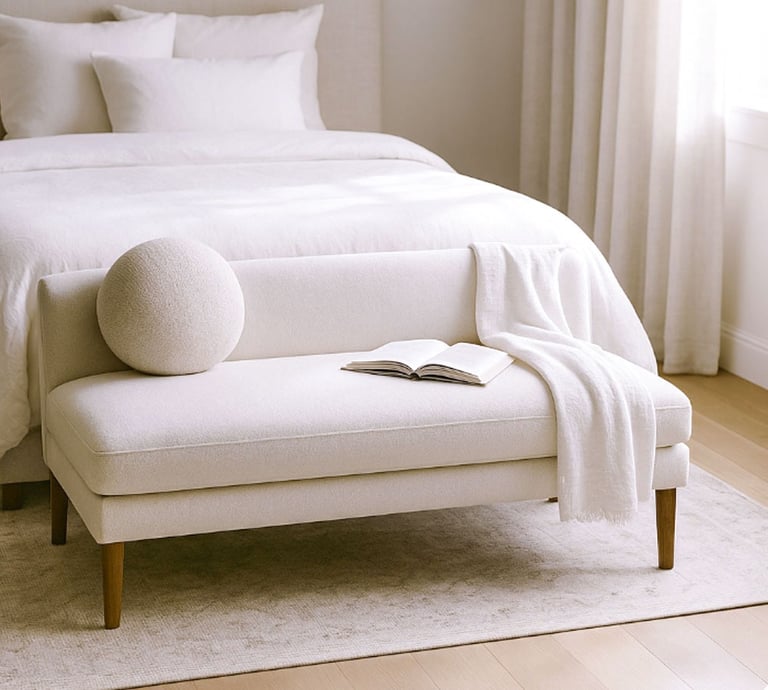
A Compact Sofa: Lounging in Style
A compact sofa, loveseat, or settee can turn the end of a bed into a more comfortable place to read, relax, or spend time during the day.
In a larger bedroom, this type of seating can create a small lounge area that feels intentional rather than simply decorative. Upholstery, shape, and proportion can be selected to coordinate with the bed while still giving the seating its own character.
Custom sizing is especially useful when you want the comfort of a sofa but need the piece to fit a specific area without overwhelming the bedroom.

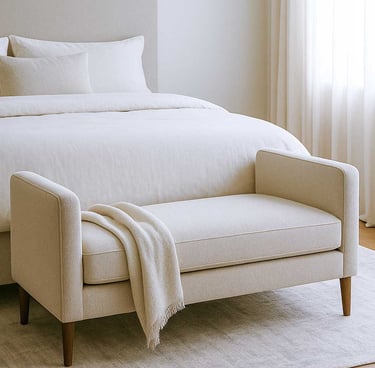

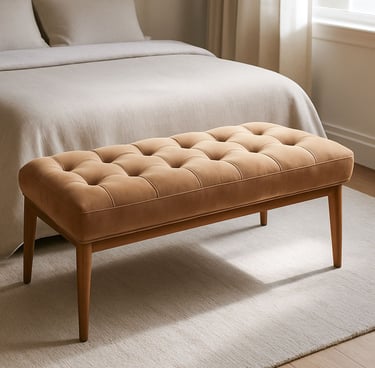
A Bedroom Bench at the Foot of the Bed
A bedroom bench can add both function and visual balance at the foot of the bed. It can provide a convenient place to sit while getting dressed, set down a blanket, or simply give the bed a more finished look.
The width and proportions of the bench should relate naturally to the bed and surrounding space. Upholstery, leg style, shape, and detailing can then be coordinated with the bedroom without requiring every element to match.
A custom bench can be especially useful when standard sizes feel too wide, too narrow, or out of proportion for the room.

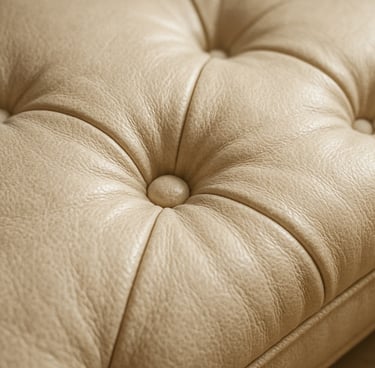


Wall Paneling: From Background to Bold Design Feature
Upholstered wall panels can give a bedroom more depth, softness, and visual structure while creating a strong backdrop for the bed.
Vertical channels, padded squares, and other panel layouts can be customized in fabric, scale, and proportion to suit the room. When combined with an upholstered bed and thoughtfully sized seating at the foot of the bed, the wall treatment can help the entire bedroom feel more coordinated and intentional.
For more detailed wall-panel and upholstered-bed options, explore Solo Home Decor’s Custom Bedrooms page.
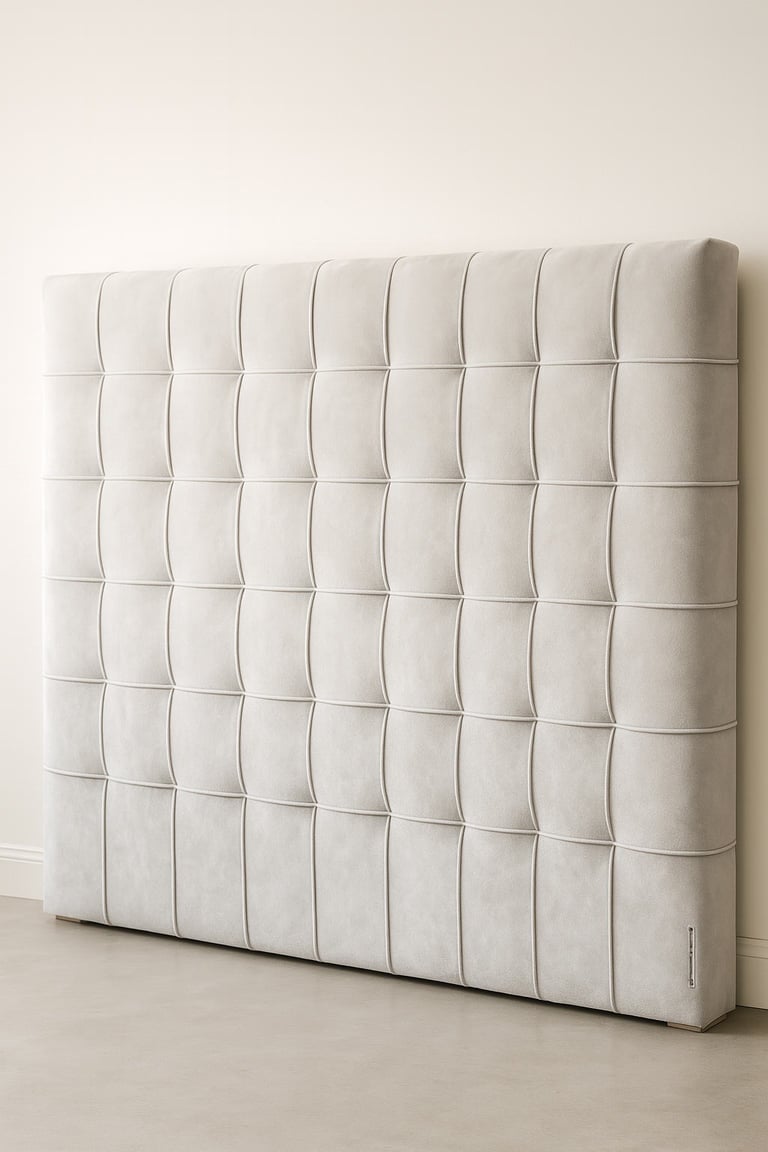

Wide Headboards: A Frame That Defines the Bed
A wide upholstered headboard can give the bed a stronger visual presence and help anchor the bedroom, especially when the proportions are planned around the wall and bed size.
The shape, height, upholstery, and width can be customized to create a cleaner, more dramatic, or more tailored look. When paired with seating at the foot of the bed, the headboard and bench or sofa can work together to create a more balanced bedroom composition.
For more detailed upholstered bed and headboard options, explore Solo Home Decor’s Custom Bedrooms page.


Creative Combos That Work
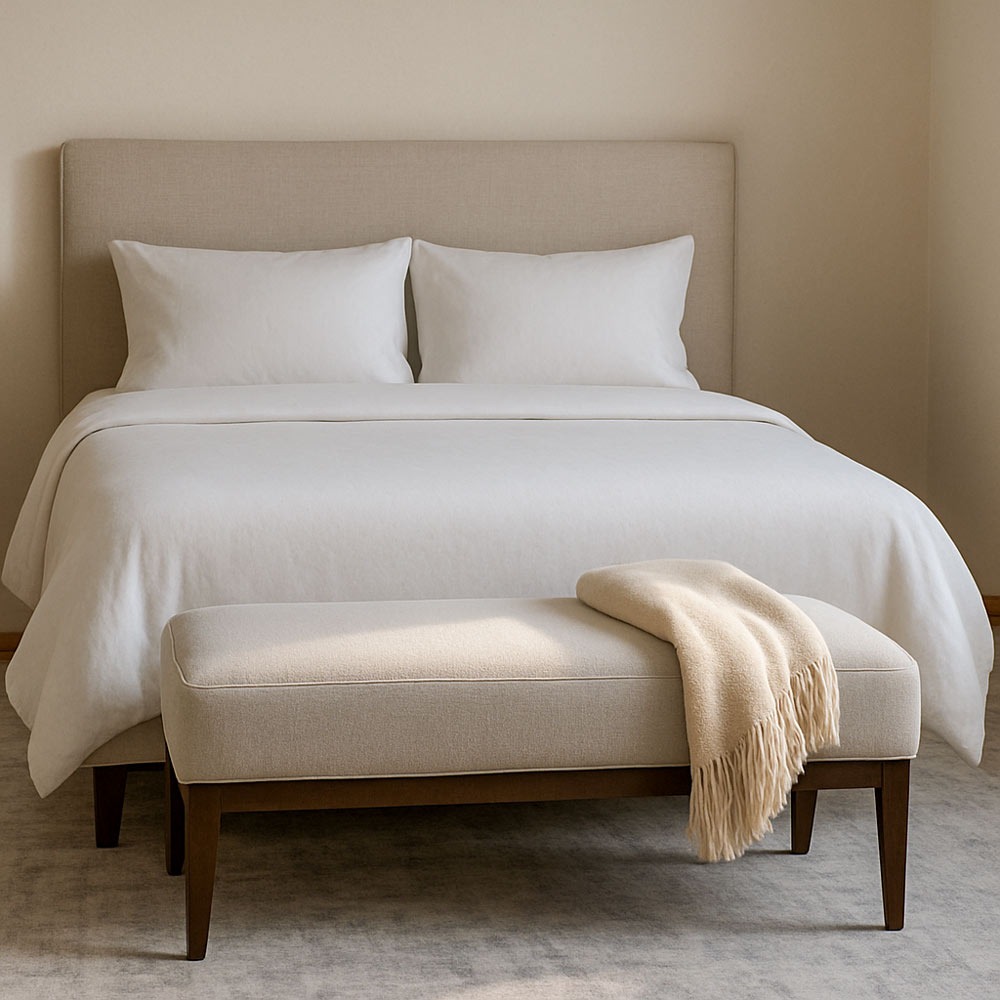
A bench at the foot of the bed adds useful seating and helps visually finish the bedroom without requiring the depth of a sofa.
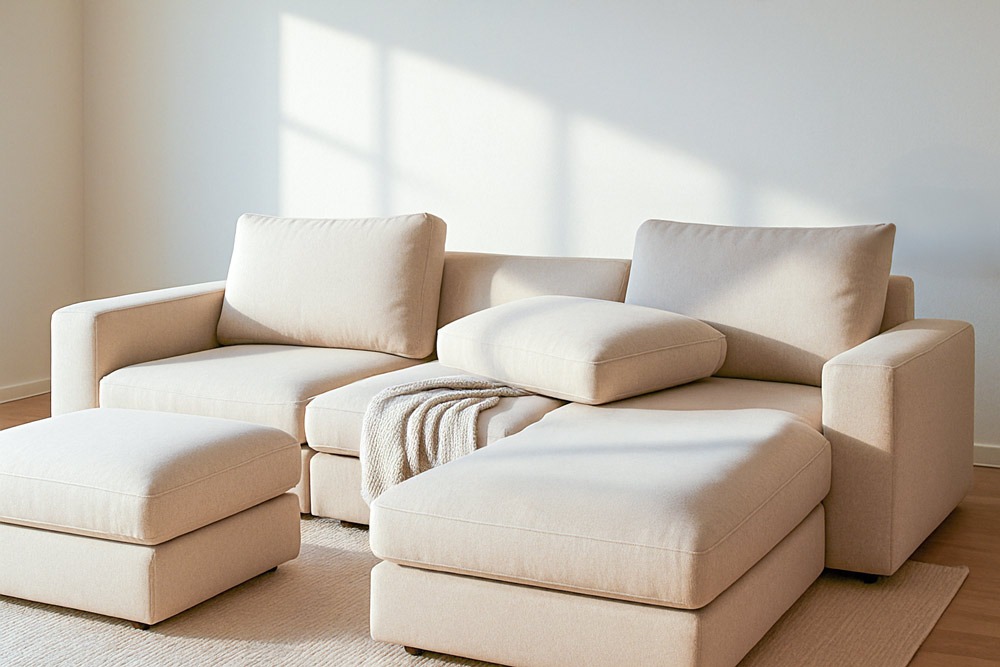
A modular sofa can adapt to different room layouts and can be combined with ottomans or movable pieces when flexibility and everyday lounging are priorities.
Pairing a sofa with one or two accent chairs can create a more conversational seating arrangement while adding contrast in shape, upholstery, or color.
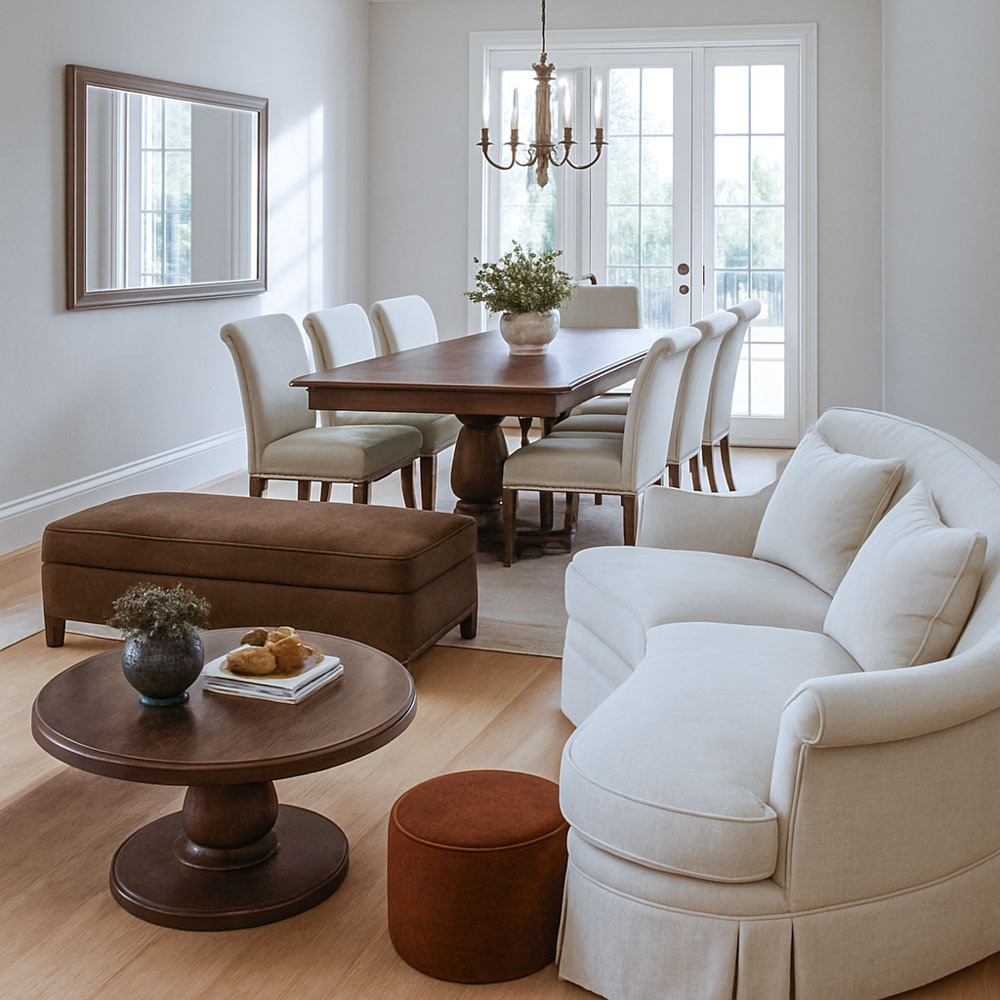

In a larger bedroom, a compact sofa or loveseat can create a comfortable place to read or relax while giving the room a more complete lounge-like feel.
Sofa vs. Couch: What's the Real Difference?
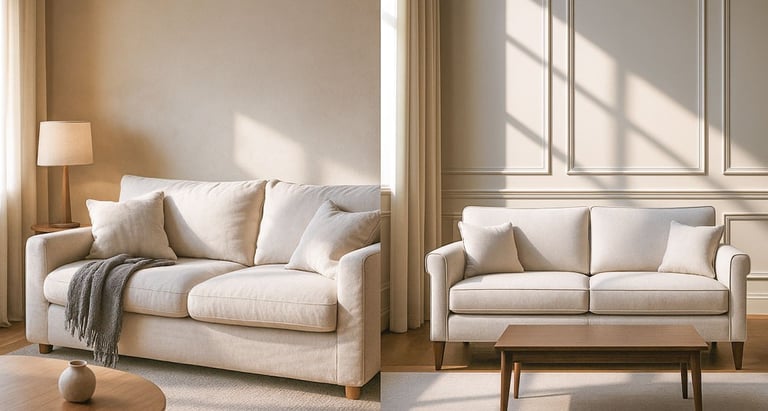
The words sofa and couch are often used interchangeably today, and in most homes they describe the same general type of upholstered seating. The difference is usually more about how the piece is designed and used than the name itself.
A sofa may feel more structured and tailored, while a couch often suggests a softer, more casual place for relaxing. Either can be customized in size, seat depth, cushion comfort, upholstery, arms, and overall shape to suit the room and how you want to use it.
When comparing a bench, sofa, or couch, focus less on the label and more on the space available, the level of comfort you want, and how much visual presence the piece should have in the room.
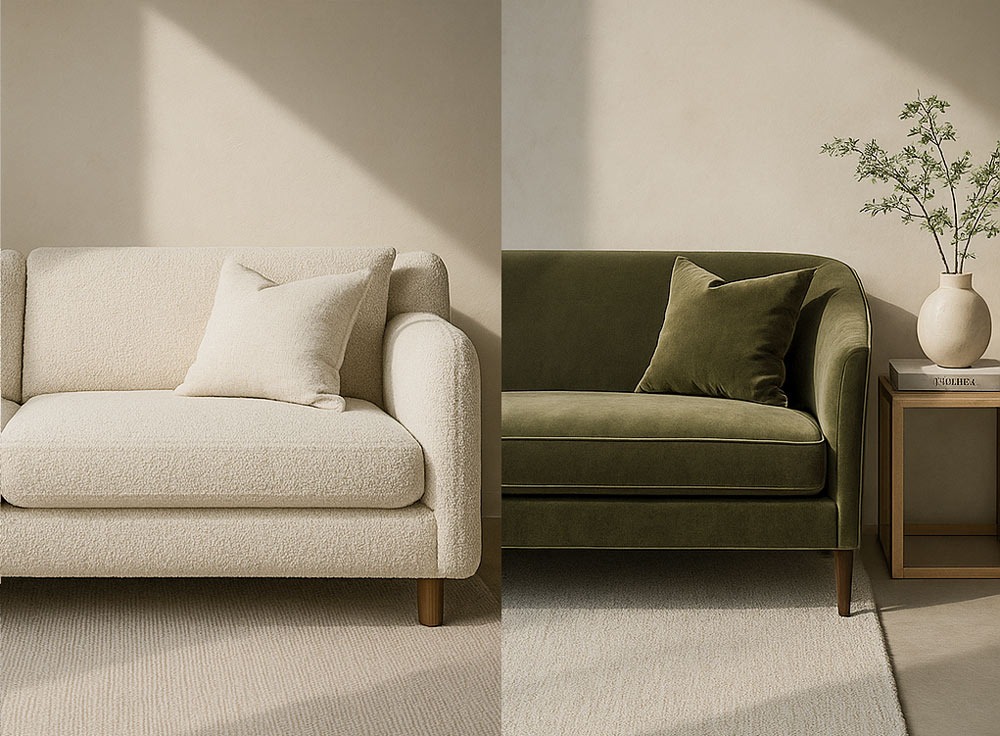
Sofa
Couch

Want a Sofa Designed Around Your Space?
Explore custom sofas and sectionals designed around your room, comfort, proportions, upholstery, and preferred style.


Sofa Shapes and Styles: What Works Best?
Choosing the right sofa starts with the shape, scale, and way you plan to use it. A straight sofa can create a clean, structured look, while a curved sofa adds softness and movement. A compact loveseat or settee can work well in a bedroom or smaller seating area, while a sectional provides more room for lounging and gathering.
The best choice depends on the size of the room, available walking space, and how much visual presence you want the seating to have. A sofa should feel proportional to the space rather than too small, too deep, or overwhelming.
Once the overall shape is right, details such as the arms, legs, cushions, back style, and upholstery can further customize how the sofa looks and feels.

Sofa Design Details to Consider
Armrests
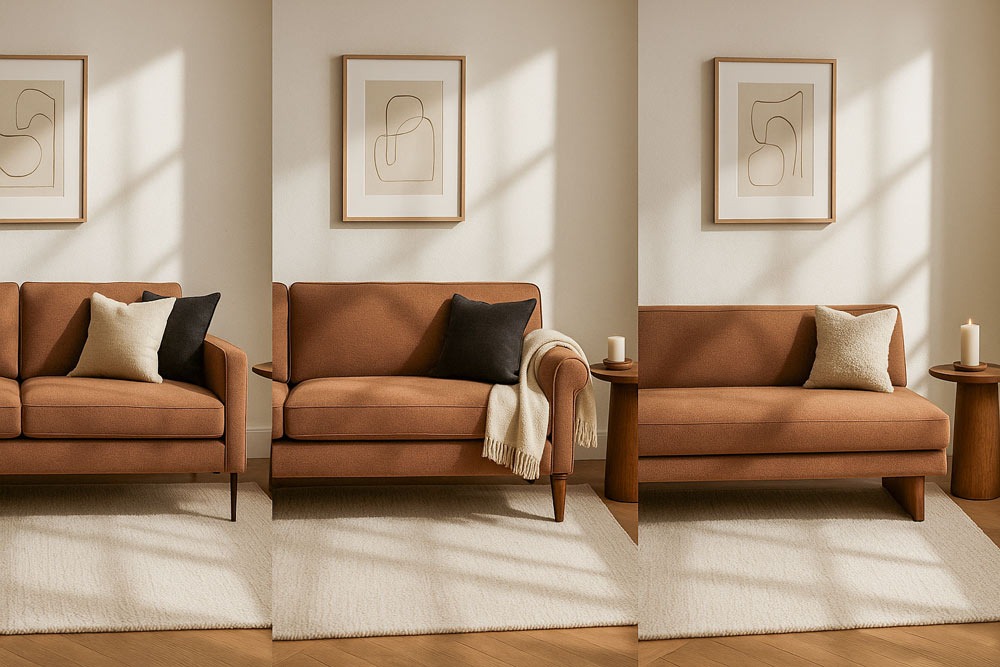
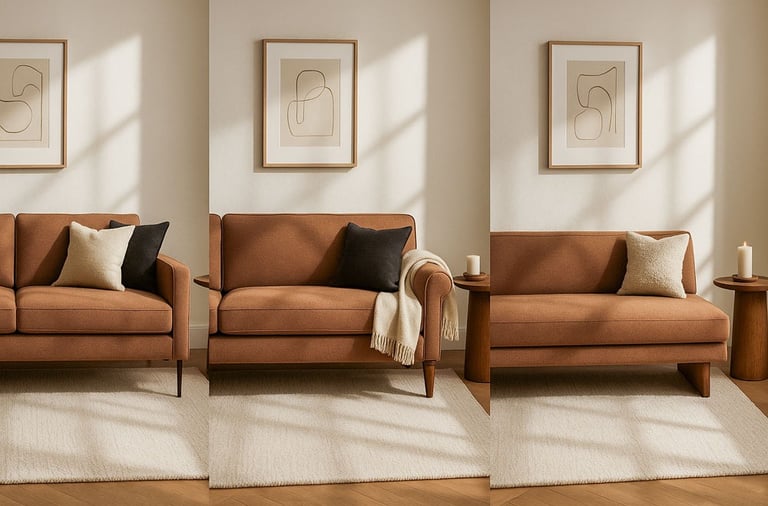
Clean, straight arms create a more modern, tailored look, while rounded or curved arms add softness. Sloped arms offer a balance between structure and comfort. The right arm style can also affect the overall width and visual weight of the sofa.
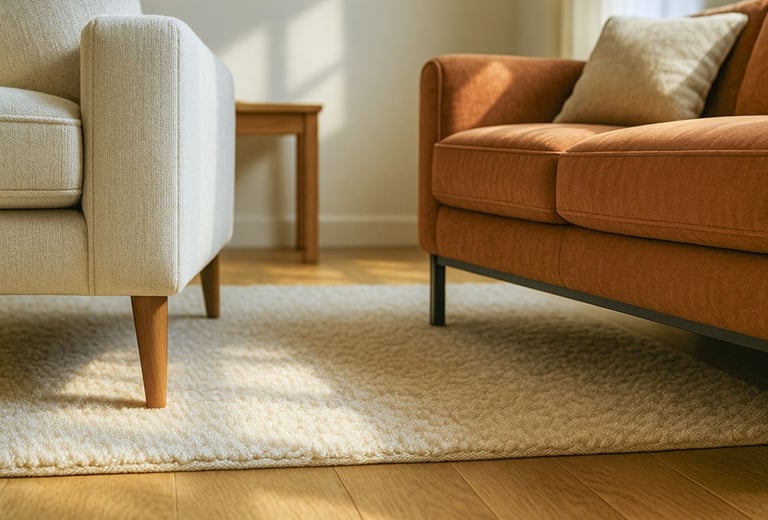
Leg Style
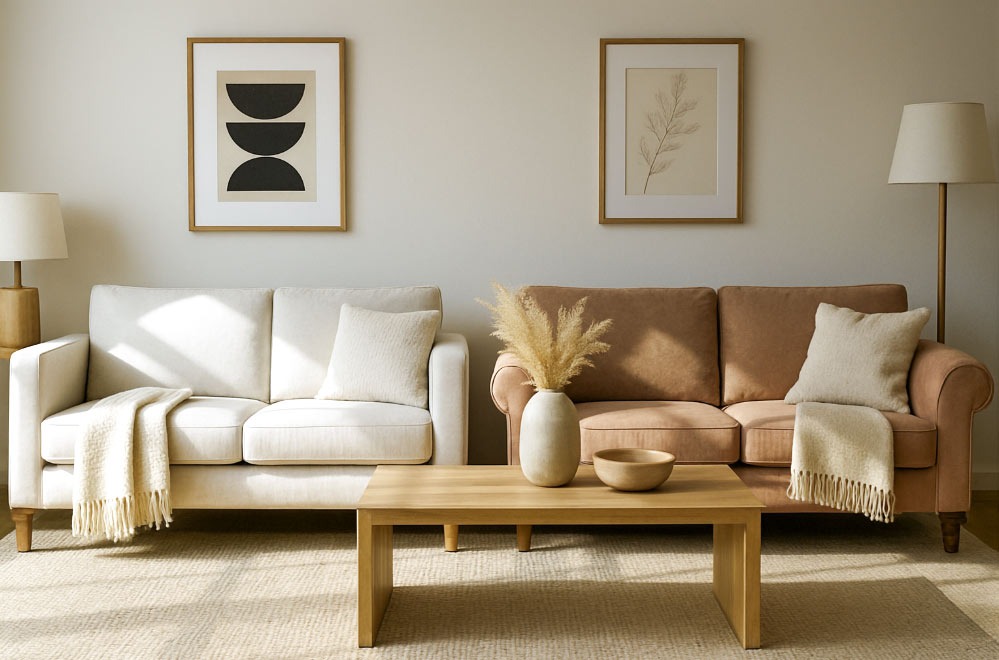
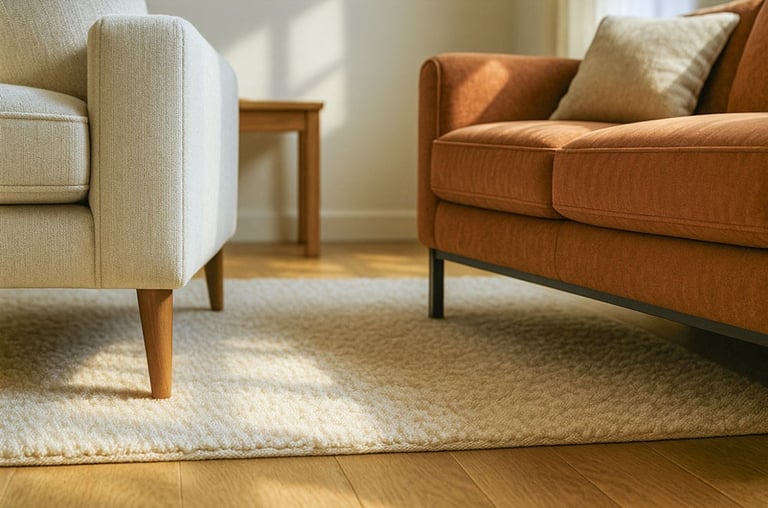
Exposed wood legs can make a sofa feel lighter and more open, while metal legs create a cleaner contemporary look. A hidden or upholstered base gives the sofa more visual weight and a grounded, tailored appearance.
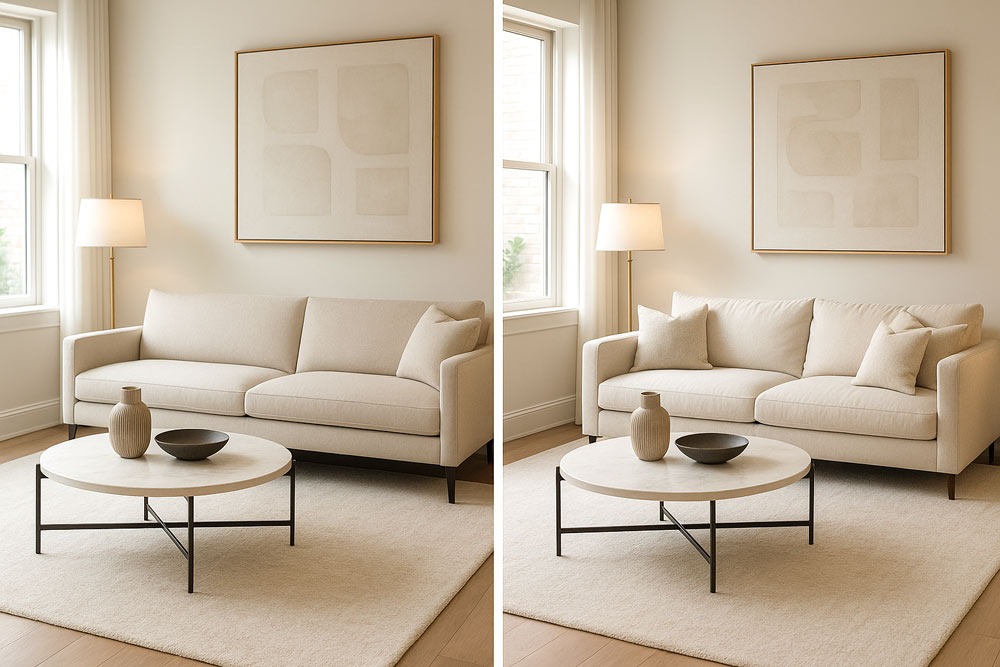
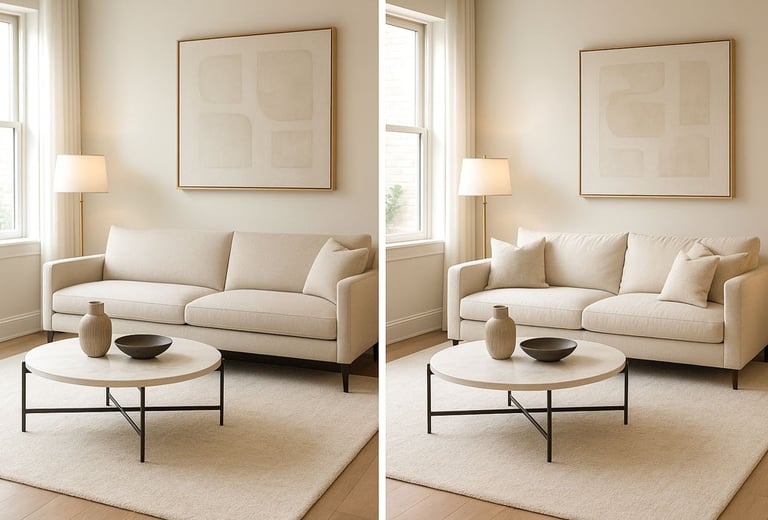
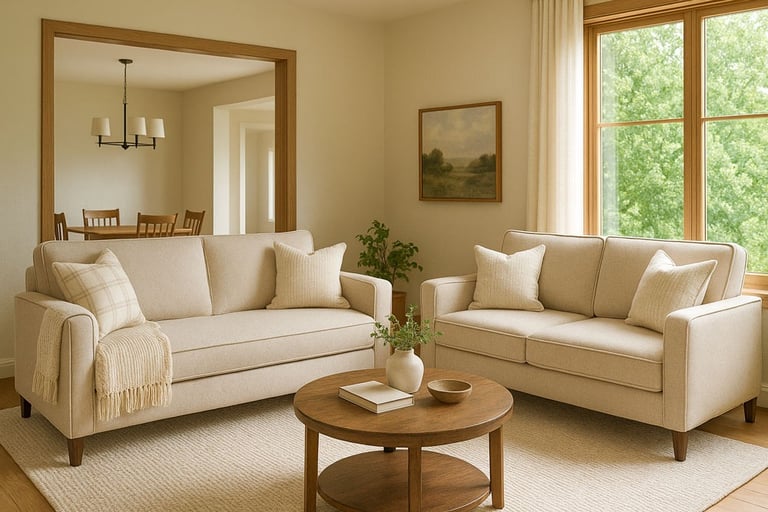
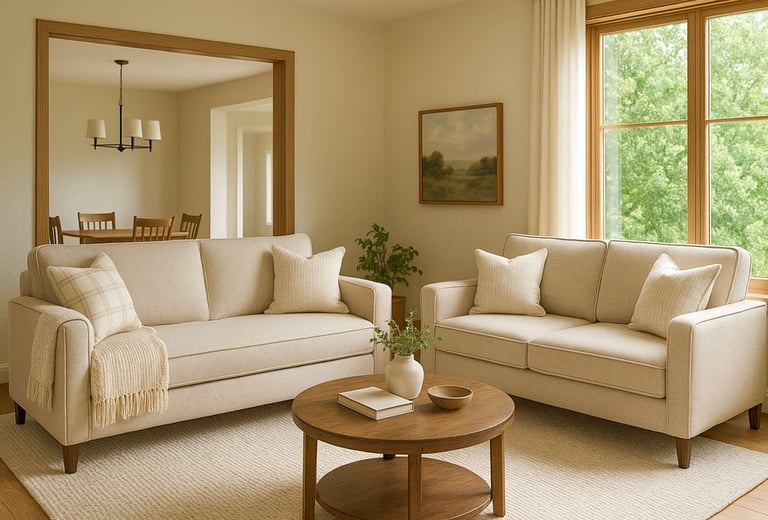
Back Style
A tight back creates cleaner lines and a more structured appearance, while loose back cushions provide a softer, more relaxed feel. Channeling, tufting, and other upholstery details can add texture and character without changing the overall sofa shape.
Cushions
A single bench cushion creates a smooth, streamlined look, while multiple seat cushions offer more definition and a traditional sofa feel. Seat depth, firmness, and cushion construction can also be customized around how you prefer to sit and lounge.
Fabric
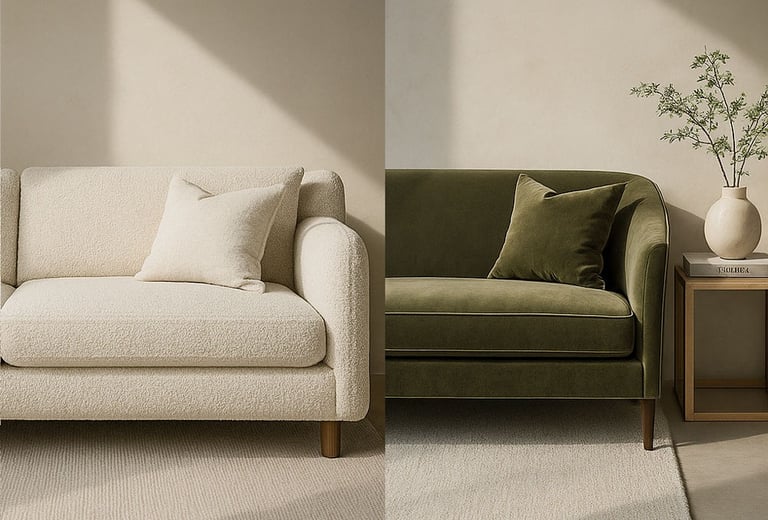
Fabric influences both the appearance and everyday performance of a sofa. Options such as performance fabrics, bouclé, velvet, and leather can create very different levels of softness, texture, durability, and visual presence.
Which Sofa Style Fits You?
Contemporary:
Clean lines, simple shapes, and a refined look define contemporary sofas. This style works well when you want seating that feels streamlined, current, and visually light.


Mid-Century Modern:
Tapered legs, lower profiles, warm wood details, and sculptural shapes give Mid-Century Modern sofas their distinctive character. This style works especially well when you want a tailored look with warmth and personality.


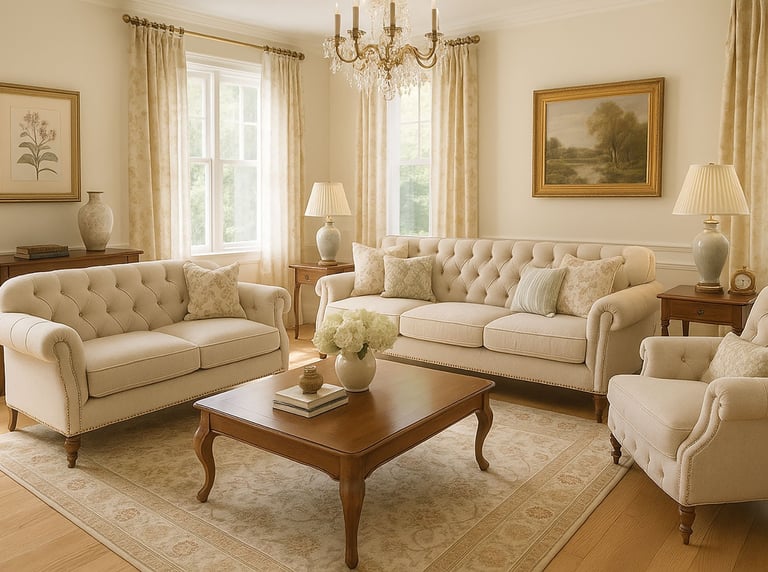
Traditional
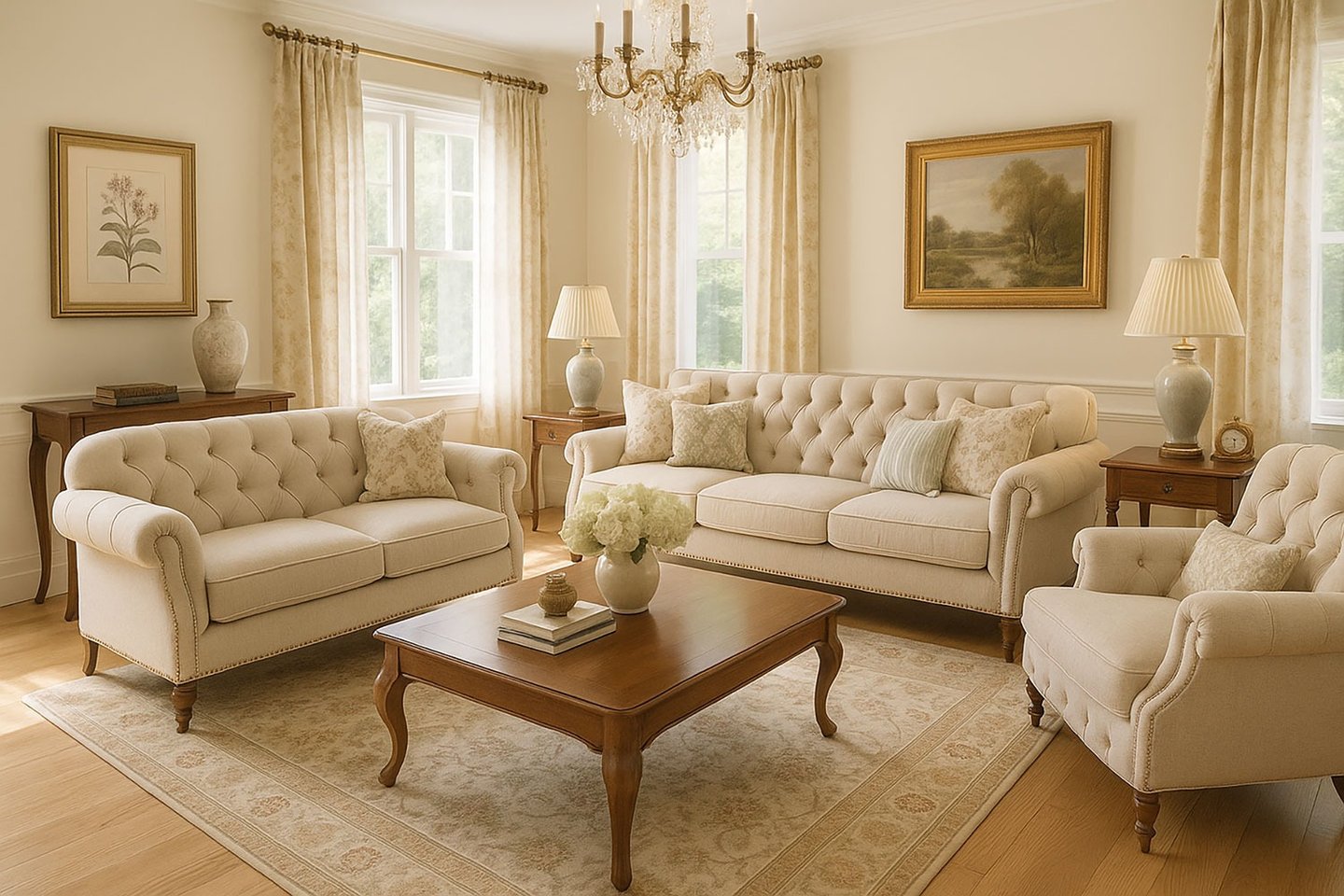
Rolled arms, detailed legs, tufting, and classic proportions give traditional sofas a more timeless and formal character. Velvet, leather, and textured upholstery can further strengthen the look.
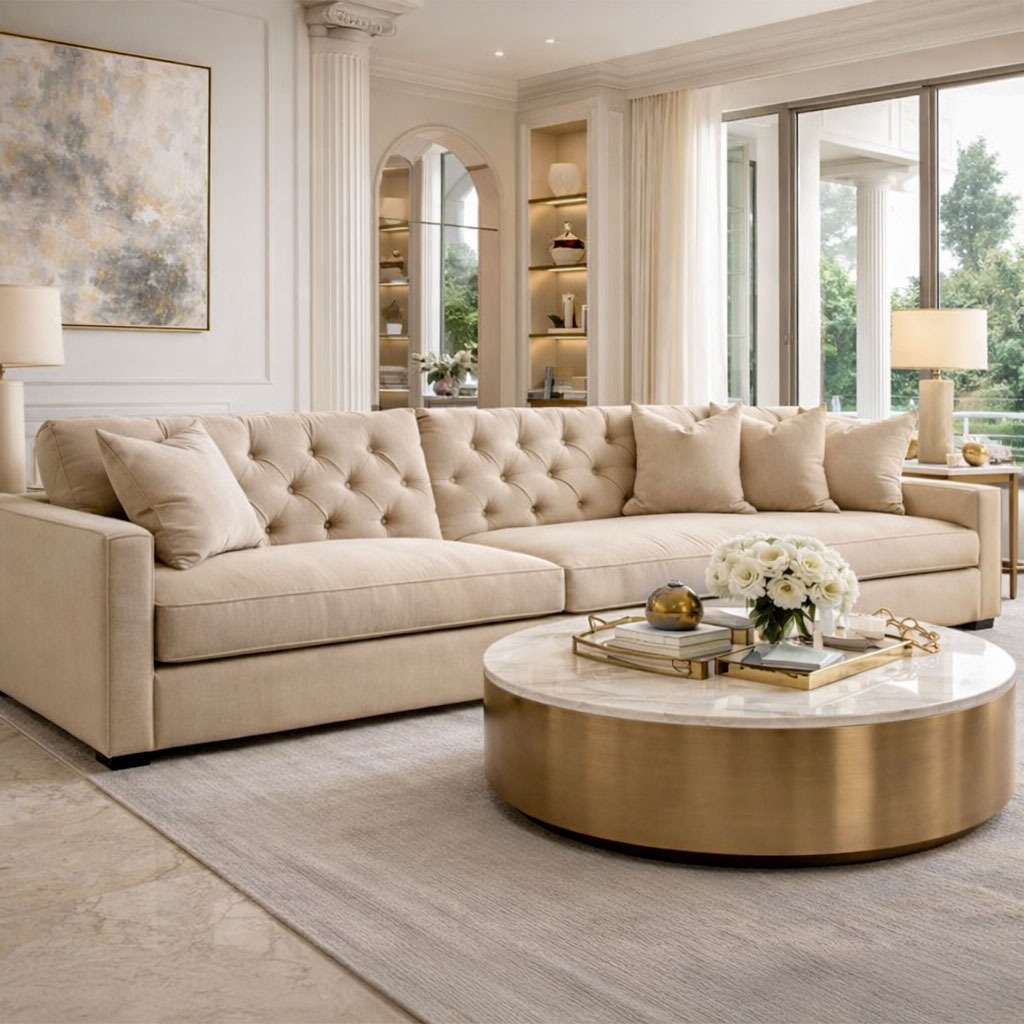

Transitional
Transitional sofas combine classic proportions with cleaner, more relaxed details. They are a strong choice when you want something polished and timeless without feeling overly formal or distinctly modern.
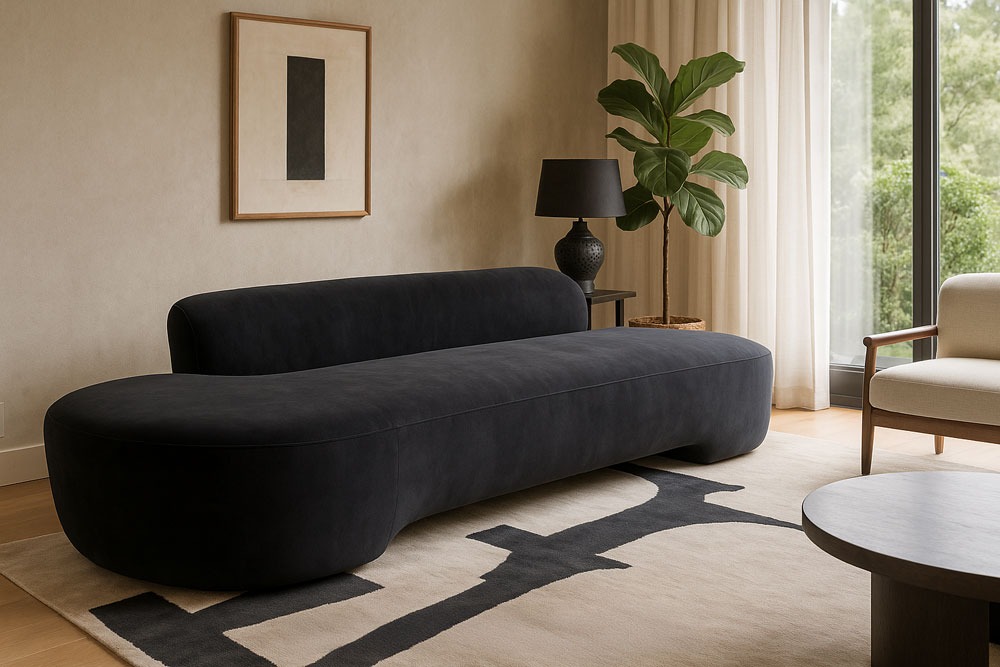
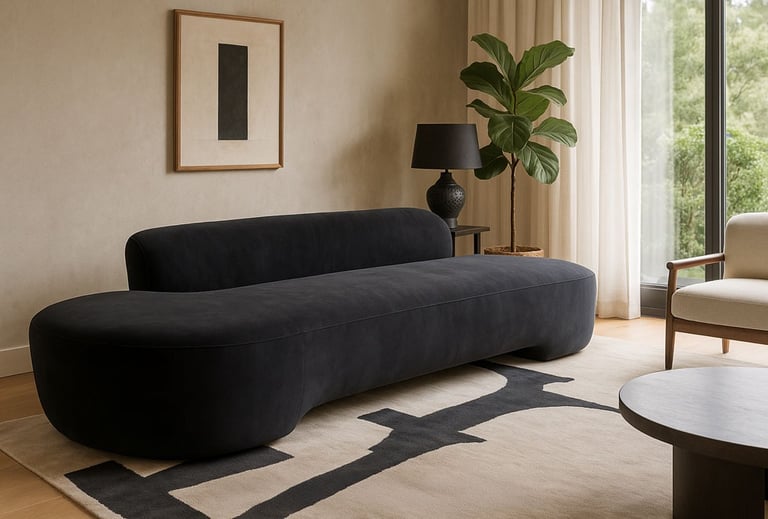
What Is a Bench Seat Sofa?
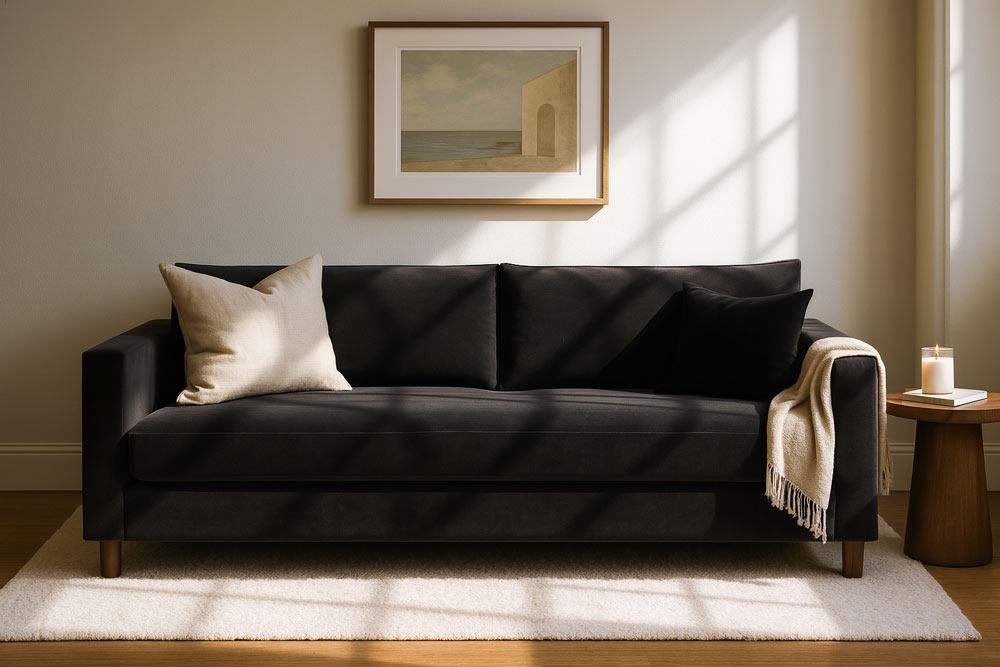
A bench seat sofa uses one continuous seat cushion instead of two or three separate cushions. The uninterrupted surface creates a cleaner, more streamlined look and can make the sofa feel visually wider and more cohesive.
This cushion style works especially well on modern, curved, and tailored sofas where a smooth seat line complements the overall shape. With no gaps between individual seat cushions, it can also create a more relaxed and continuous seating surface.
A bench seat sofa is still a sofa, not a bench. The term describes the cushion configuration, while an upholstered bench is a separate type of furniture with a different depth, structure, and purpose.
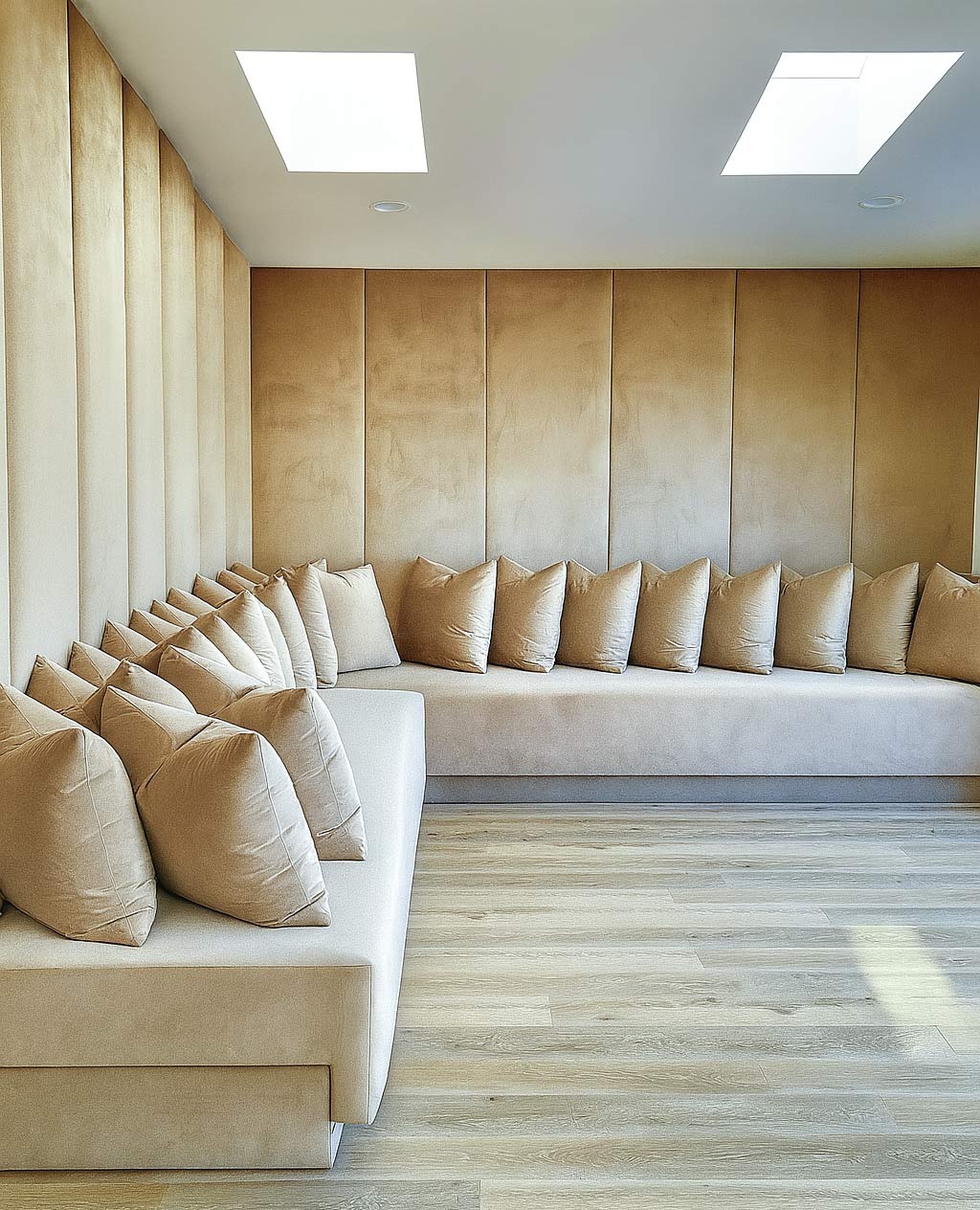
Bench Cushion vs. Multiple Cushions: Which Is Right for Your Sofa?
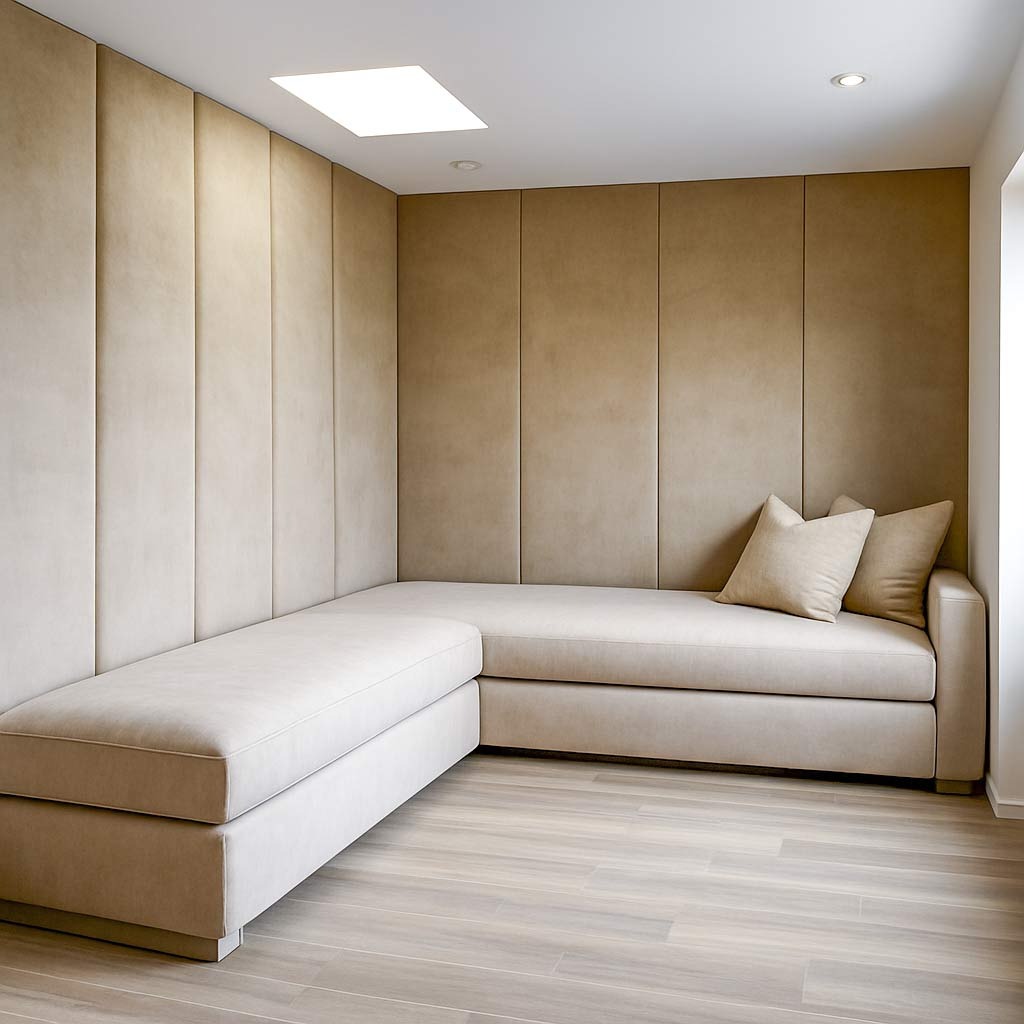
Bench Cushion
A single bench cushion creates one continuous seating surface with a clean, streamlined appearance. It works especially well with modern, curved, and tailored sofa designs where fewer visual breaks help emphasize the overall shape of the piece.
Multiple Cushions
Two or three individual seat cushions create more visual definition and can give a sofa a more structured or traditional appearance. The number and proportions of the cushions can also be coordinated with the sofa’s overall width, arms, and back style.
Which One Works Best?
Neither option is automatically better. The right choice depends on the sofa’s proportions, your preferred style, and how you want the seating to look and feel. With a custom sofa, cushion size, seat depth, firmness, and configuration can be tailored together so the finished piece feels balanced and comfortable.
Tailored Dimensions
Custom furniture can be sized around the room rather than forcing the room to accommodate a standard piece. Width, depth, height, and overall proportions can be adjusted so a bench, sofa, or bedroom seating piece feels more intentional within the available space.
Coordinated Upholstery
Fabric, color, texture, and other upholstery details can be selected to coordinate with the room, existing furniture, or other custom pieces without requiring everything to match exactly.
Shape & Design Details
Custom furniture allows more control over the overall form, including curved or straight shapes, arms, legs, cushions, bases, and other details that influence both appearance and comfort.
Made for How You Use the Space
The value of custom furniture is not only the look. The piece can be planned around how you actually use the room, whether you need a compact bedroom bench, a comfortable sofa for lounging, or seating designed around unusual dimensions.
Why Custom Makes All the Difference
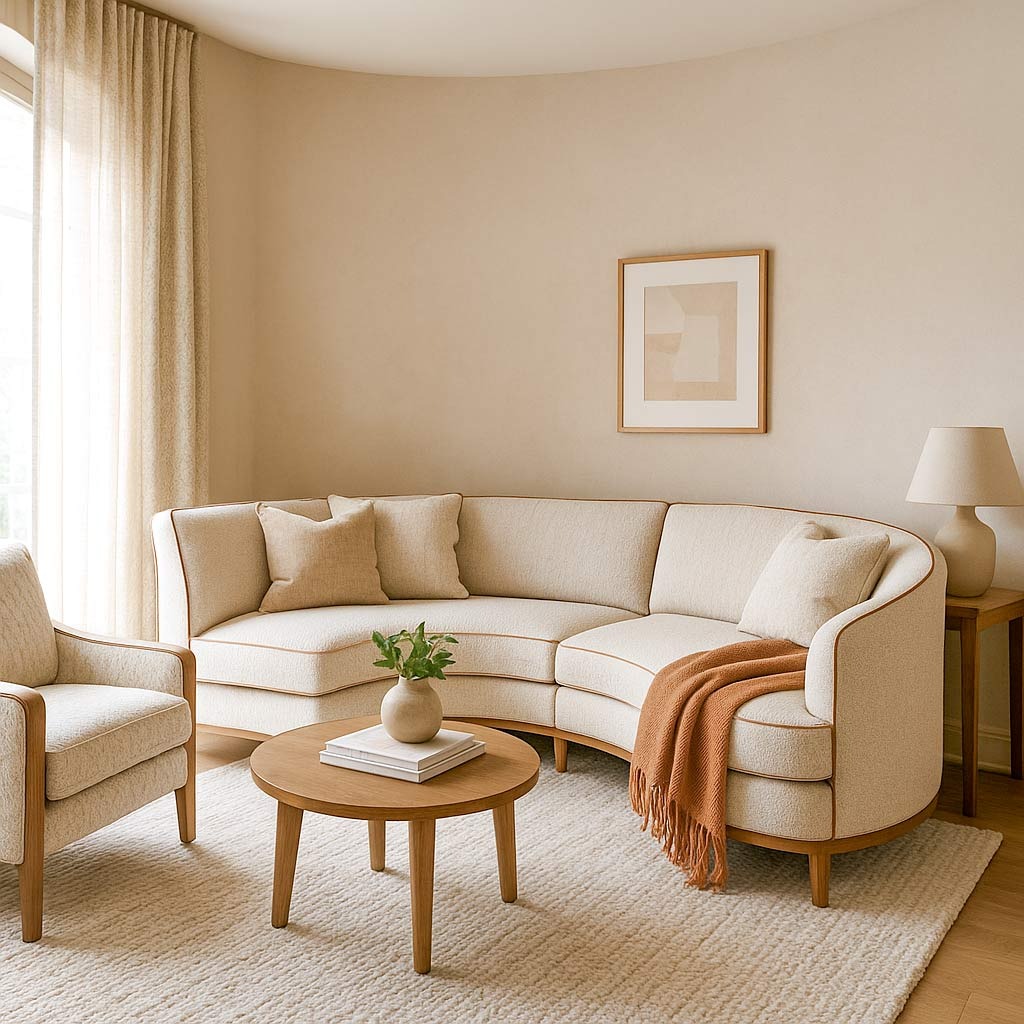

Custom furniture involves more than choosing a fabric or style. Proportion, placement, comfort, upholstery, and how the piece relates to the rest of the room all influence the final result.
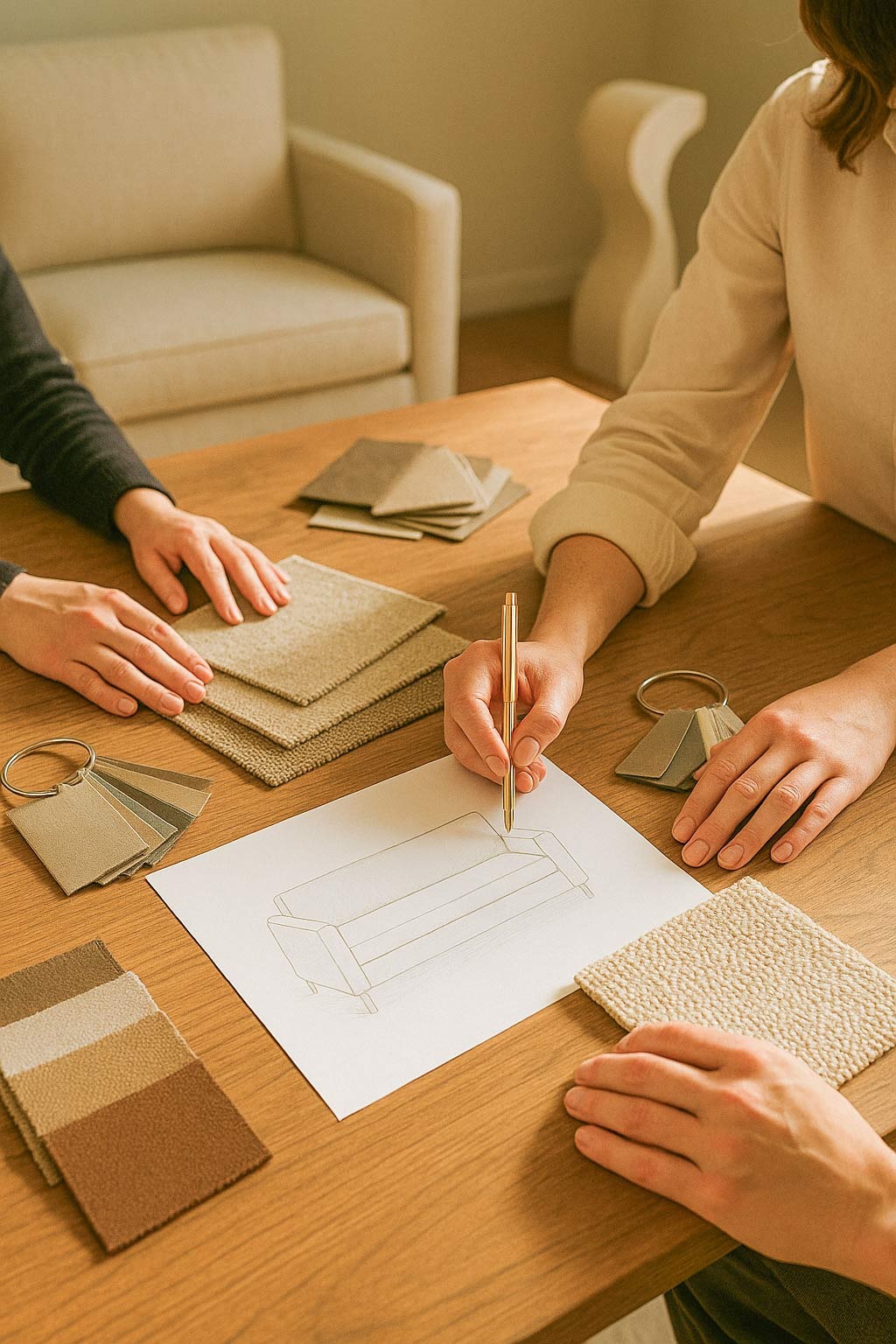
Working with a designer can help bring those decisions together. A bedroom bench can be scaled to the bed and walking space, while a sofa can be planned around the room layout, seating needs, and preferred depth or shape.
Clients can begin with an inspiration image, an existing room, or a general idea. From there, the design direction can be refined into a piece that feels more intentional, comfortable, and appropriate for the space.
For projects with existing architectural or interior design plans, custom furniture can also be coordinated with those specifications so the finished piece fits more naturally into the overall room.
Why Work With a Designer on Custom Furniture?
Need Help?
Message us
Ready to Find the Right Piece for Your Space?
Start with an idea, photo, room question, or approximate measurements. Solo Home Decor can help you determine the right size, style, upholstery, and seating direction for your bedroom or living space.
© 2026. Solo Home Decor
20300 Ventura Blvd, Suite 125
Woodland Hills, CA 91364